Personal Care & Daily Living
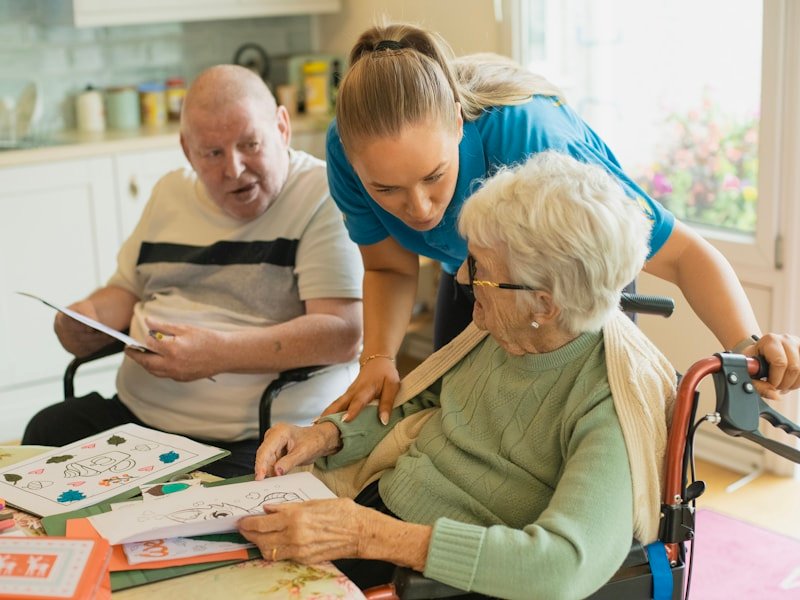
Hands-on help with the essential daily routines that keep a person clean, safe, dignified, and comfortable — bathing, toileting, dressing, grooming, safe transfers, mobility, skin monitoring, and continence care.
Trusted in-home care for seniors in Ottawa, Kanata, Orléans, Nepean, Barrhaven, and the Champlain region. Personal support, companionship, dementia care, respite, and 24-hour live-in support — delivered by carefully matched caregivers who treat your parent like their own.
Built around four commitments families count on
Seniors Ottawa is a locally rooted home care service helping older adults across the National Capital Region live safely, comfortably, and with dignity in the place they know best — their own home. We were built around a simple belief: aging well is not a single decision but a thousand small ones, and families do better when an experienced, compassionate team is walking alongside them. From the first phone call through every shift, every appointment, and every difficult conversation, our role is to make the path forward clearer and lighter.
Our caregivers serve clients in every corner of Ottawa — from heritage homes in The Glebe and Old Ottawa South to suburban bungalows in Kanata, Barrhaven, and Orléans, to apartments and condos in Centretown, Sandy Hill, and Westboro. We work with seniors who simply need a hand a few hours a week, families coordinating around a recent hospital discharge, adult children living in Toronto or Vancouver who need eyes on a parent in Ottawa, and households navigating a dementia diagnosis or end-of-life care at home. Whatever the circumstance, we aim to be the steadying presence in the room.
The need is real, and growing. The Council on Aging of Ottawa reports that older adults are now the fastest-growing age group in the city, and projections suggest that by 2031 roughly one in five Ottawa residents will be 65 or older. Most of them want to age in place. The Champlain region has strong publicly funded supports through Ontario Health atHome, but the system is stretched, hours are limited, and many families find that private home care fills the critical gap between what government coverage provides and what their loved one actually needs. That gap is where Seniors Ottawa lives.
When you call, you reach a care coordinator who knows the neighbourhood, knows our caregivers by name, and is empowered to make decisions on the spot. Every care plan is built around the individual — preferences, routines, language, faith, food, hobbies, the chair they like, the time they like their tea. Care that ignores the person is not care; it is a task list. Our model is built on continuity: wherever possible, we assign a small primary care team — typically one or two regular caregivers plus a documented backup — so trust builds and the senior feels safer, not more disoriented, over time.
There are many places to find a personal support worker in Ottawa. We earn our place by being clear about what we do, careful about who we hire, and consistent in how we show up. These commitments are non-negotiable and built into every shift we provide.
Our pre-hire process includes a Vulnerable Sector Police Check, reference verification, employment history review, and confirmation of CPR and First Aid certification before a caregiver's first shift. Documentation available on request.
Most front-line staff are PSWs trained at Ontario community colleges or accredited PSW programs — skilled in activities of daily living: bathing, transfers, toileting, mobility, meal preparation. For higher-acuity needs, we coordinate with Registered Practical Nurses and Registered Nurses through trusted partners.
New caregivers each shift means a senior with dementia is re-introducing herself daily, a fall risk is missed because nobody remembers the loose rug, and family trust erodes. We schedule for continuity — most clients see a primary caregiver and one consistent backup, week after week.
We publish honest indicative ranges based on published market data. You receive a written care plan and a clear quote before any shifts begin. Hourly minimums are explained upfront. If needs change, we revise the plan and the quote in writing — never on the invoice.
Publicly funded home care is excellent for clinical visits, but allocated PSW hours are rarely enough for a senior living alone with significant needs. Many of our clients use Ontario Health atHome services in the morning and supplement with private hours from us for afternoons, evenings, overnights, or weekends.
Ottawa is officially bilingual, and we staff accordingly. We try to match francophone clients with francophone caregivers wherever possible, especially for clients with dementia, where the comfort of the mother tongue makes a profound difference.
Adult children often live far from their parents. We send shift summaries when requested, flag changes in mood, sleep, or appetite, and make care coordinators reachable for non-urgent questions. For higher-needs cases we hold a brief weekly check-in so distant family feel informed, not in the dark.
Care that ignores the person is not care; it's a task list. We document preferences, routines, language, faith, food, hobbies — the chair they like, the time they like their tea — and we adjust as we learn. The senior is the centre of the plan, not the schedule.
You will not be routed to a call centre in another city. You reach an Ottawa-based care coordinator who knows your file, knows our caregivers, and can make decisions on the spot — including evening and weekend issues that need a real answer in real time.
Care plans almost always blend several of these — a typical client might receive personal care in the morning, companionship and a walk in the afternoon, and a medication reminder at bedtime. Hours and combinations are flexible.
Hands-on help with the essential daily routines that keep a person clean, safe, dignified, and comfortable — bathing, toileting, dressing, grooming, safe transfers, mobility, skin monitoring, and continence care.
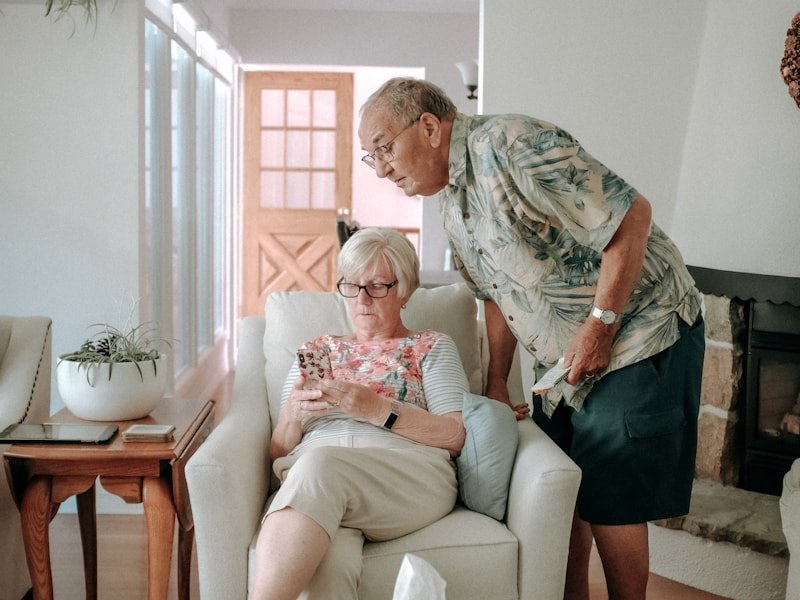
Conversation, shared meals, card games, walks along the canal, a drive to see the tulips at Commissioners Park. Companion care addresses isolation — one of the most under-treated health risks in older adults.
Dementia care is its own discipline. Our dementia-trained caregivers work from validated approaches such as Teepa Snow's Positive Approach to Care — focusing on what the person can still do, redirecting calmly through agitation, and protecting both safety and self-worth.
Roughly one in four Canadian adults provides unpaid care to a family member. Burnout is real, predictable, and avoidable. Respite care gives the family caregiver a guaranteed break — a few hours weekly, a long weekend, planned travel coverage.
For seniors unsafe alone at night — those at high fall risk, with significant dementia, or recovering from surgery — overnight and live-in care provides the security of a trained presence around the clock. Awake, sleep-in, or full 24-hour rotating teams.
The first 48 to 72 hours home from hospital are statistically the riskiest period for older adults. We coordinate with discharge planners at The Ottawa Hospital, Queensway Carleton, the Montfort, and Bruyère — caregiver in place before the patient arrives.
Gentle, unhurried support coordinated with Ontario Health atHome palliative nursing and the family physician.
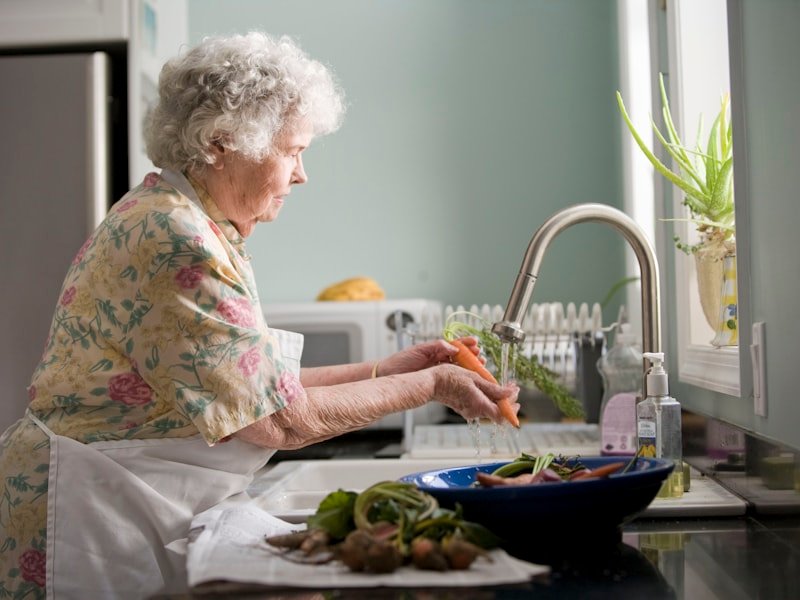
Fresh home-style meals respecting cultural and religious preferences and medical diets prescribed by physicians.
Laundry, dishes, bed-making, tidying, garbage out, plants watered, pathways clear. Part of every care visit.
Accompanied transportation for medical appointments, grocery shopping, banking, prescription pickup, family events.
Reminders, organization, observation of missed doses or side effects, reporting to family or physician. Nursing coordinated for higher-acuity needs.
Private home care in Ontario typically falls between $28 and $42 per hour depending on the complexity of care, the time of day, and the length of shift. The figures below are indicative ranges. Final quotes are issued in writing after a no-cost in-home assessment and reflect the specific care plan.
The foundation of our work. Hands-on help with activities of daily living — bathing, toileting, dressing, transfers, mobility, meal preparation. Most clients begin here and adjust upward as needs evolve.
Conversation, walks, light housekeeping, meal prep, errands. 3-hour minimum per visit.
Caregivers with dementia-specific training and continuity matching for trust-building.
Alert presence through the night for high-risk fall, dementia, or post-surgical clients.
Rotating team of caregivers, billed daily. Around-the-clock presence with proper rest.
First-72-hour package: caregiver in home pre-arrival, meds, meals, follow-up coordination.
Respite weekends and palliative coordination are quoted per family situation.
Most families do not call a home care agency on a calm Tuesday afternoon. They call after a fall, a missed pill, a frightening doctor's appointment, or the slow realization that Mom is not coping the way she pretends she is. Here are the situations we encounter most often, what they look like in real life, and how we help.
One in three Canadian adults over 65 experiences a fall each year, and a single fall often resets a senior's entire trajectory. We move fast: a same-week assessment, a home safety walk-through — loose rugs, lighting, bathroom grab bars, stair handrails — and short-term hands-on support during recovery. We also coordinate with physiotherapy and Ontario Health atHome when appropriate.
This call often comes from an adult child who is shocked, scared, and not sure what comes next. We help families understand what realistic care looks like at each stage — early, middle, late — and how to introduce a caregiver to a parent who insists they are fine. Pace and patience matter enormously here. We rarely start with five days a week; we build trust in small steps.
Hospital discharge is a vulnerable moment, especially when the senior lives alone. We can deploy a caregiver within hours of a discharge decision — ideally with 48 hours' notice but often faster. We confirm the discharge medication list, prepare the home, and stay through the highest-risk first nights.
The most common starting point. Family members notice small things: unopened mail piling up, weight loss, repetition, unwashed clothes, a strange smell from the fridge, defensive responses to simple questions. We start with a few hours a week of companion and light support, which both relieves the senior and gives the family a trusted set of eyes in the home.
Many of our clients have a daughter in Toronto, a son in Calgary, or grandchildren in Vancouver. Distance does not mean disengagement. We act as your in-Ottawa eyes and ears: reliable communication, photo updates when appropriate, and a coordinator you can reach without time-zone gymnastics.
Progressive neurological conditions need caregivers who are comfortable with mobility challenges, communication changes, and the emotional load on the well spouse. We staff and train accordingly, and we plan respite into the schedule because the well partner's health is part of the care plan.
Retirement residences in Ottawa provide a baseline of meals and light services, but many residents need additional one-on-one support — companionship, dementia care, personal escort to meals, or overnight reassurance. We work inside retirement homes throughout the city and respect each facility's protocols.
When a family chooses to be at home for the final chapter, our role is gentle, quiet, and steady. We coordinate closely with Ontario Health atHome palliative nursing, the family physician, hospice volunteers, and funeral arrangements when the time comes. The goal is comfort, dignity, and family presence.
If we are not the right fit for your family, another local provider may be. Either way, you deserve to know what good looks like. Use the column on the left as the standard our team works to. Use the column on the right as the questions worth asking any Ottawa home care provider before you sign.
Choosing a home care provider should not feel like wading through a contract. Here is exactly what happens from your first phone call to your first shift, and how we keep the relationship working over the long term.
You call or submit the form. A care coordinator answers, listens, and answers your questions honestly. No script. If we are not the right fit, we tell you and point you to a better resource. No high-pressure sales.
If we are a fit, a coordinator visits the senior's home — usually within two business days. We meet the senior, walk through the home, identify safety concerns, and learn about routines, preferences, conditions, and goals. No obligation.
Within 48 hours of the assessment, you receive a written care plan: tasks covered, days and hours, primary and backup caregivers, rates, minimums, billing. Everything on paper before any shift begins.
We consider personality, language preference, faith and cultural fit, gender preference, pets in the home, smoking status, and dementia experience. The proposed primary caregiver does an introductory visit before regular shifts begin.
Shifts begin on the agreed date. Caregivers document each visit. You receive shift summaries on request. We proactively flag changes — bruises, appetite, mood, sleep, missed medications.
Care needs evolve. We schedule a formal plan review every 90 days, or sooner if anything changes — a hospital visit, new diagnosis, fall, family circumstance. Hours go up when they need to and down when they can.
With your permission, we communicate with the family physician, Ontario Health atHome coordinators, specialists, pharmacy, and the retirement residence. The senior's care should not be siloed; we are one piece of a larger team.
Seniors Ottawa serves the entire National Capital Region and surrounding communities in the Champlain region. Our caregivers live across the city, which keeps response times fast and travel times short — important for senior clients who do not like changes to their routine.
Not seeing your neighbourhood? Call us anyway. Our service footprint grows continuously, and most Ottawa addresses can be staffed with a few days' notice.
Ottawa offers some of the best public infrastructure for seniors in Canada, but the system is fragmented. Knowing what exists — and how to access it — is half the battle. Here is a quick orientation to the programs and resources that matter most for older adults in the National Capital Region.
The publicly funded body that coordinates home care across Ottawa, Renfrew County, Prescott-Russell, Stormont-Dundas-Glengarry, North Lanark, and North Grenville. They provide care coordination, nursing, physiotherapy, occupational therapy, personal support, dietetics, speech-language pathology, and social work at no cost to the patient. Wait times and approved hours vary; most families supplement privately.
A curated online directory of regional health and social services — useful for finding everything from foot care clinics to bereavement counselling. The site is bilingual and maintained by Champlain region partners. A good starting point when you do not yet know what you are looking for.
A long-standing advocacy and information organization. They publish age-friendly neighbourhood data, run Smart Aging workshops on topics like Power of Attorney, financial literacy, and aging in place, and host the NORC Finder — a map of buildings and neighbourhoods with high concentrations of older adults.
OC Transpo offers free fares for seniors on Wednesdays and Sundays, and Para Transpo provides door-to-door accessible transit for residents who cannot use conventional buses or the O-Train. Eligibility requires an application and assessment. Wait times for booking can be long during peak periods, which is one reason private transportation through a caregiver is often easier for medical appointments.
Ottawa winters are long, snowy, and unforgiving on icy walkways. The City of Ottawa's Snow Go program matches seniors and people with disabilities to vetted snow removal contractors at affordable rates. Snow Go Assist offers financial help for low-income older adults. Both programs run November through April.
Ottawa has a strong network of seniors' activity centres — The Good Companions on Albert Street, Churchill Seniors Centre, Kanata Seniors Centre, the Bernard-Grandmaître francophone centre — plus drop-in programs across the city. Many of our companion-care visits include transportation and attendance.
Ottawa is served by a strong hospital network: The Ottawa Hospital (General, Civic, Riverside), the University of Ottawa Heart Institute, the Queensway Carleton Hospital, the Montfort Hospital (francophone), Bruyère Continuing Care, and Hôpital Saint-Vincent. Most of our caregivers know the routes, parking realities, and admissions desks at these sites.
Two documents matter most: the Power of Attorney for Property and the Power of Attorney for Personal Care. Both should ideally be in place before they are needed. We are not lawyers, but we encourage every family to consult a qualified elder-law lawyer in Ottawa. The Council on Aging maintains a resource list.
Long-term care (LTC) homes are publicly funded and accessed through Ontario Health atHome. Retirement homes are privately operated and regulated by the Retirement Homes Regulatory Authority (RHRA). Wait lists for preferred LTC homes can be lengthy — sometimes years for top-rated facilities. Many families bridge the wait with private home care.
Winters bring deep cold, icy walkways, and snow piled against doors. Summers can produce heat warnings that are genuinely dangerous for older adults — humidity is the underrated killer. Our caregivers monitor home temperature, hydration, and footwear; we adjust schedules around weather alerts; and we coordinate snow clearing, salt, and fan or AC checks.
The voices below reflect the experience Ottawa families have described to us. Attributions are kept general — by neighbourhood and family role — out of respect for the privacy of the seniors in our care.
After Mom's fall in February, we were terrified to leave her alone. Her regular caregiver became her trusted person — patient, calm, and never in a hurry. Mom started looking forward to those mornings. That changed everything for us.
I live in Toronto. My father lives alone in Kanata. The weekly updates from the care coordinator — what Dad ate, how he slept, whether his hearing aids were in — gave me peace of mind I had not had in years. They were honest when something was off, not just reassuring.
Dementia care needs a particular kind of patience. The PSW who came to my husband saw him as a person — asked about his career, his music, his garden — not just a diagnosis. He calmed down within two visits. I finally had a few hours a week to be a wife instead of a nurse.
The discharge from Civic was rushed. We had three days before Mom came home and no idea how to handle her recovery. The team had a caregiver in place before we even got home, with meds organized and groceries in. The first 72 hours were the hardest and the most carefully managed of the whole process.
Mon mari avait besoin de soins en français. La coordonnatrice nous a jumelés avec une préposée francophone qui comprenait son humour, ses chansons, ses prières. Ça a fait toute la différence pour lui à la fin.
My mother refused help for two years. We started with one short companion visit a week — just tea and conversation. By month three she was asking when her PSW was coming. Pace and patience really do win. We are now at five days a week and Mom is the most settled she has been in a decade.
We needed live-in care during the last weeks of my father's life. The caregivers were unhurried, quiet, and respectful — they coordinated with the palliative nurse, they helped us be present without managing logistics. It is the gentlest gift you can give a family in that moment.
My father is in a retirement home but needed one-on-one support at meals and in the evenings. Seniors Ottawa worked seamlessly with the residence's wellness team and made sure he had a steady person, not a different face every visit. That continuity has stabilized him.
What I value most is the honesty. When Mom started declining last spring, the coordinator told us plainly what she was seeing, what to expect, and when to consider more hours. No salesmanship, no scare tactics — just a steady, informed voice. We made better decisions because of that.
If your question is not here, call us. We answer the phone with people who know our caregivers and our work — not a script.
Private home care in Ottawa typically ranges from $28 to $42 per hour, based on published market data, depending on the service and time of day. Companion care sits at the lower end; overnight and dementia-specialized care is higher. 24-hour live-in coverage is usually billed daily and ranges from approximately $350 to $475 per day. All quotes are provided in writing after a no-cost in-home assessment.
Yes. Ontario Health atHome (formerly Champlain LHIN) provides publicly funded home care to eligible Ottawa residents at no direct cost, including personal support, nursing, and rehabilitation visits. Most families use Ontario Health atHome services and supplement privately when more hours, evenings, weekends, or overnights are needed. We coordinate around the public schedule so coverage is seamless.
Most of our front-line staff are Personal Support Workers (PSWs) trained at Ontario community colleges or accredited PSW programs. PSWs are skilled in activities of daily living — bathing, transfers, toileting, mobility, meal preparation. For higher-acuity needs we coordinate with Registered Practical Nurses (RPNs) and Registered Nurses (RNs).
Our pre-hire process includes a Vulnerable Sector Police Check, reference verification, employment history review, and confirmation of CPR and First Aid certification before a caregiver's first shift. Documentation on agency coverage and caregiver credentials is available on request.
Most private home care agencies in Ontario require a minimum of three hours per visit. We follow the same convention for hourly care to keep caregiver scheduling sustainable. Shorter med-reminder visits are sometimes available through bundled plans — ask your coordinator.
For most Ottawa addresses we can start within 2 to 5 business days. Urgent hospital discharge requests can sometimes be filled within 24 hours. Live-in and overnight placements occasionally require additional matching time to find the right caregiver.
Yes. We provide bilingual service (English and French) across the Champlain region and match francophone clients with francophone caregivers wherever possible — particularly important for dementia care, where mother-tongue communication makes a profound difference.
Yes. Matching is at the heart of what we do. We propose a primary caregiver based on care needs, language, gender preference, personality, and other factors, then arrange an introductory visit. If the match isn't right, we re-match — no pressure, no penalty.
This is one of the most common challenges we navigate. Our coordinators have extensive experience introducing care to seniors who insist they are fine. We start small — sometimes a single short companion visit per week — and let trust build naturally. Pace and patience usually win.
Yes. Dementia care is one of our specialties. Our dementia-trained caregivers work from validated approaches such as Teepa Snow's Positive Approach to Care, focusing on redirection, calm presence, structured routines, and protecting dignity through every stage of the disease.
Yes. We coordinate with discharge planners at The Ottawa Hospital, Queensway Carleton, the Montfort, and Bruyère Continuing Care. A caregiver can typically be in the home before the patient arrives, with medications, meals, and home setup ready. The first 72 hours home are statistically the highest-risk period — we focus heavily there.
Yes. We work inside retirement residences throughout Ottawa, providing one-on-one support that supplements the residence's standard services. We respect each facility's protocols and coordinate with their wellness teams.
Yes. We provide gentle, unhurried support coordinated with Ontario Health atHome palliative nursing, the family physician, and hospice volunteer services. The focus is comfort, dignity, and family presence.
PSWs in Ontario do not administer or prescribe medication, but they play a critical role in reminders, organization, observing missed doses or side effects, and reporting to family or the physician. For higher-acuity medication needs we coordinate with nursing partners.
Call us or submit the contact form on this page. A care coordinator will answer your questions honestly — no script, no high-pressure sales. If we are a fit, we schedule a no-cost in-home assessment, usually within two business days, and provide a written care plan and quote within 48 hours of the visit.
A real person will pick up the phone — usually within thirty seconds during business hours, and often after-hours for urgent situations. If you prefer to write, the form below reaches the same coordinator.
Ottawa & the Champlain region — Kanata, Orléans, Nepean, Barrhaven, Gloucester, Cumberland, Manotick, Carleton Place, Almonte, Rockland, and surrounding communities.
A care coordinator returns your message promptly. If we are a fit, we schedule a no-cost in-home assessment — typically within two business days — and provide a written care plan and quote within 48 hours of the visit.
English and French. Service bilingue offert dans toute la région de l'Outaouais et du Champlain — préposés francophones disponibles sur demande.
For urgent post-discharge or fall-related situations, our after-hours line connects you to an on-call coordinator. Voicemail responses go out within the same business day for non-urgent inquiries.
Tell us a little about the situation — who needs care, what is happening, and the best way to reach you. A coordinator will respond within one business day.